
San Juan Weekly Arrest Source
Start with the San Juan County Sheriff's Blotter page. The page publishes no entries of its own. Its standing instruction points to The Silverton Standard & the Miner. That referral makes the paper the main blotter lead. It does not turn news coverage into a government custody database. Older regional reporting calls the Silverton blotter a weekly, sheriff-authored narrative. Terse local entries are the style. The county pointer names no span, such as 72 hours or seven days. Nor does it guarantee a posting time. Weekend update schedules, archive depth, field lists, and booking-photo practice all go unstated. Check the date on the current issue. Treat its scope as unspecified unless that issue says otherwise.
The official sheriff blotter pointer appears in the capture below.
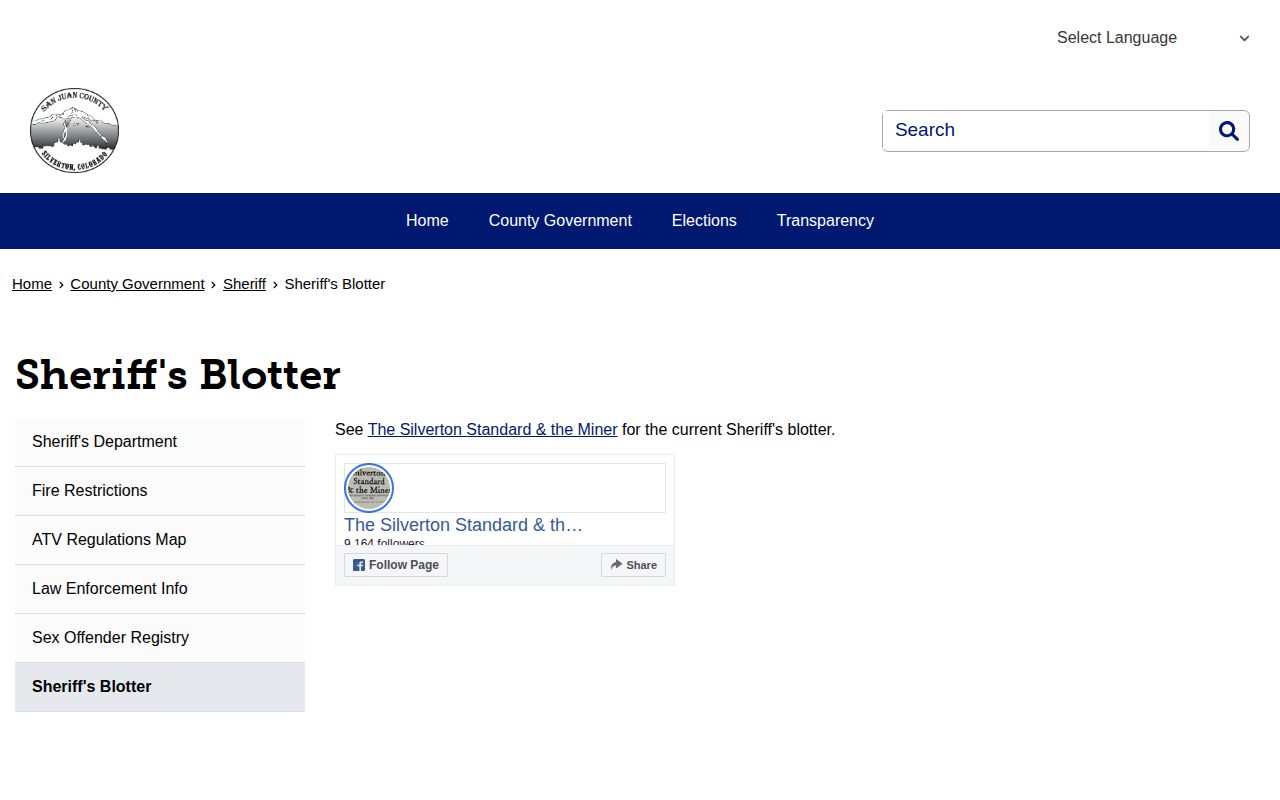
The county page names the next stop, nothing more.
Read the San Juan Blotter
Work backward from the issue date. Never assume the newest story covers only its posting day. A weekly paper often describes events from several days earlier, so keep incident date, publication date, arrest date, and booking date separate.
- Confirm the official referral. Begin at the county blotter page and follow its direction to The Silverton Standard & the Miner.
- Check the issue date. Look for the sheriff's blotter or public-safety material in the current issue, then review prior issues when the incident fell near a publication cutoff.
- Read the entry literally. Note the named agency, event date, place, and whether the result was a warning, citation, arrest, or another response.
- Verify custody elsewhere. Use La Plata County's VINE route for current contracted-jail custody. The newspaper cannot confirm that someone remains detained.
- Request the official record. Ask San Juan County for the arrest or incident report and La Plata County for the booking sheet when the narrative is not enough.
The Daily Arrest Report handles the separate same-day confirmation path instead of this issue-by-issue blotter approach.
Weekly Arrest Log Details
A local story adds color a custody list lacks. It is not field-complete by design, so never infer missing details and keep these distinctions in mind.
| Possible detail | What it can and cannot establish |
|---|---|
| Incident date and place | Places an event in time and location, but may differ from booking time and facility. |
| Agency action | May describe a response, warning, citation, investigation, or selected arrest. |
| Name and alleged charge | Must be checked against the arrest record and later court filing. |
| Narrative context | Offers local detail, but editorial selection means it is not a complete roster. |
| Photograph | A news, scene, or courtesy image is not a booking photograph unless clearly identified. |
| Custody and bond | May be absent or stale; confirm with VINE, the detention custodian, or court. |
| Disposition | Usually comes later from court, not from the initial blotter item. |
Save any incident or case number. That number separates similar names quickly. It also makes an official records request more precise. Without one, requests and searches tend to drift into guesswork.
Weekend Arrests and Issue Timing
No official source promises weekend blotter coverage. Plenty can happen to a late-week arrest; it might miss a newspaper production cutoff. It could land in the next issue, earn a separate regional story, or stay only in agency records. Seasonal recreation and remote-terrain policing shape local life. They prove nothing about a weekend arrest surge. Widen your date range. It should cross the likely issue boundary. For anything from Friday through Sunday, check the next current issue plus surrounding issue dates. Then confirm with the San Juan County Sheriff's Office, since a missing newspaper item is not proof that no incident occurred.
Regional journalism explains this odd record's form. The Durango Herald's high-altitude policing report profiles the Silverton sheriff blotter and its unusual local style.

Treat that piece as background. It is historical and editorial, not a current arrest list, custody check, or source of official booking photographs.
Local News Arrest Coverage
The Silverton Standard & the Miner leads the non-government options, since the county itself points there. It is still a newspaper. Coverage can be selective, and archive access follows the paper's own rules. The Durango Herald and The Journal also cover Silverton incidents, story by story. Neither runs a complete, current booking-photo feed for the county. Check geography on regional stories. Durango sits in neighboring La Plata County. The detention facility serving San Juan County does sit there, which muddies searches further. A story about southwestern Colorado is not automatically a San Juan County arrest. Keep publisher labels intact. Scene images and courtesy photographs are not automatically mugshots. They should not be called that unless the agency or publisher names them as booking photos. Unofficial aggregators rank last. Mugshots.com carries a San Juan County, Colorado section. Its record count, though, is a site-generated snapshot. RecentlyBooked, Busted Newspaper, Arrests.org, and Mugshots.zone show no verified local Colorado section. Similar names often lead to San Juan County, New Mexico. None of these services should override the sheriff, the detention custodian, or the court. Their images are not reproduced here.
Older San Juan Arrest Archives
No public rule tells San Juan residents how long booking sheets, arrest photographs, incident reports, VINE entries, or newspaper blotters stay online. Colorado sheriff offices share a model retention schedule. Adoption by each sheriff is optional. That makes no promise for San Juan County. Under the same model, records tied to a pending case, claim, action, or audit should not be destroyed either.
Start any older-record search with the San Juan County Sheriff's Office. Ask whether San Juan or La Plata created the item and which office holds it now. La Plata County Detentions may keep the intake record, booking photograph, custody history, bond, and release papers. Court filings, bond orders, and dispositions sit with the San Juan County Combined Courts. A record leaving the web does not mean it was destroyed.
Old newspapers are a different trail. The Allen Nossaman Memorial Archive Research Center collects regional documents, photographs, newspapers, maps, manuscripts, and oral histories. Its newspaper holdings matter for old sheriff blotters. Remember it is a historical society. It does not hold current bookings.
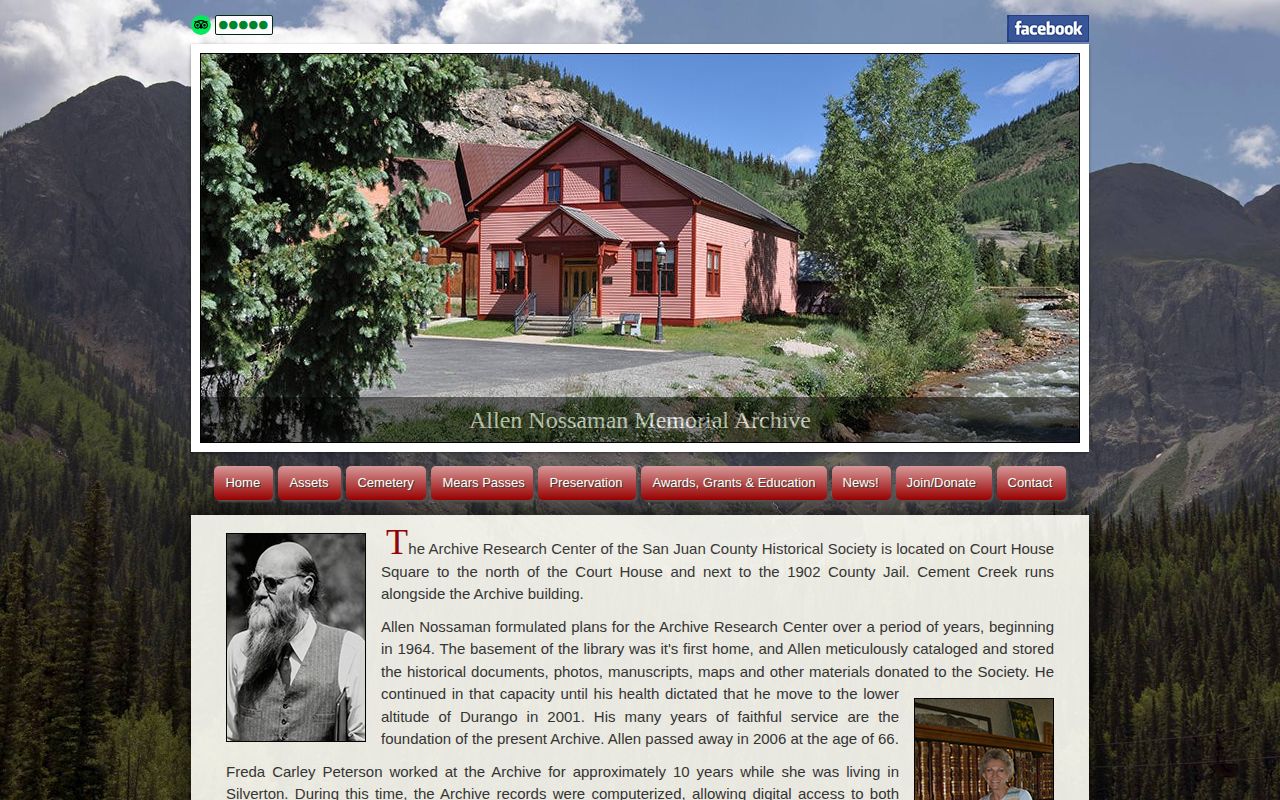
It may help you locate an old issue. Still, it cannot confirm present custody or fill gaps in a current official arrest record.
Request a Historic Arrest Record
Keep your request narrow from the start. Give the full name, an exact or approximate date range, the town, the agency, the newspaper title, and the likely record type. For government records, add the incident, booking, or court case number if you know it. Ask whether the record was transferred and which office holds it now. The La Plata criminal-justice-record form covers booking sheets and mugshots as an option. Release still depends on review.
Chasing a newspaper issue takes different questions. Ask the historical society for the Silverton Standard date, the available format, research fees, and reproduction permission. Colorado State Archives finding aids list broad historical sheriff and jail series. That listing does not prove every San Juan record moved there. A sealed or expunged record is another matter. Follow the court order and the custodian's instructions. No archive gets you around that.
Compare any narrative with the later court record. An arrest log shows the opening of a case. The court file later shows a dismissal, plea, acquittal, conviction, or some other outcome.